PhD Opportunity in Data Science for Medicine

Human Technopole is looking for a curious, driven, and collaborative PhD candidate to join the Research group lead by Fernanda Pinheiro as part of the EU-funded ENDAMR (Exploring Novel Drivers of Antimicrobial Resistance), a Marie Skłodowska Curie Actions (MSCA) Doctoral Network. This PhD project will develop mechanistic models grounded on microbial physiology to understand how interactions among mutually dependent bacteria influence antibiotic tolerance, community-level perturbations and evolutionary trajectories toward antimicrobial resistance.
We’re seeking someone with a background in bioinformatics, data science, computer science, or applied mathematics who is excited about applying computational tools to advance biomedical research.
- Location: Milan, Italy
- Duration: 3 years, fully funded (Marie Skłodowska-Curie Actions)
- Deadline: 23 May 2025
Apply now
Share:




You could also like:
-
Ageing and Chronic Diseases: Europe Rewards Human Technopole’s Research
The ERC has awarded HT a €2.5 million grant for a study investigating how lifestyle, biology and environmental exposures weaken the immune system over the course of life and increase vulnerability to disease in old age. This new knowledge will help develop models to predict long-term disease risk.
-

1 fully-funded PhD Position in the Jug Group through DADS
Are you passionate about AI, cutting-edge research, and making a real impact in biomedical science? The Jug Group at Human Technopole is thrilled to announce a new PhD opportunity as part of the prestigious PhD Programme in Data Analytics and Decision Sciences.
-
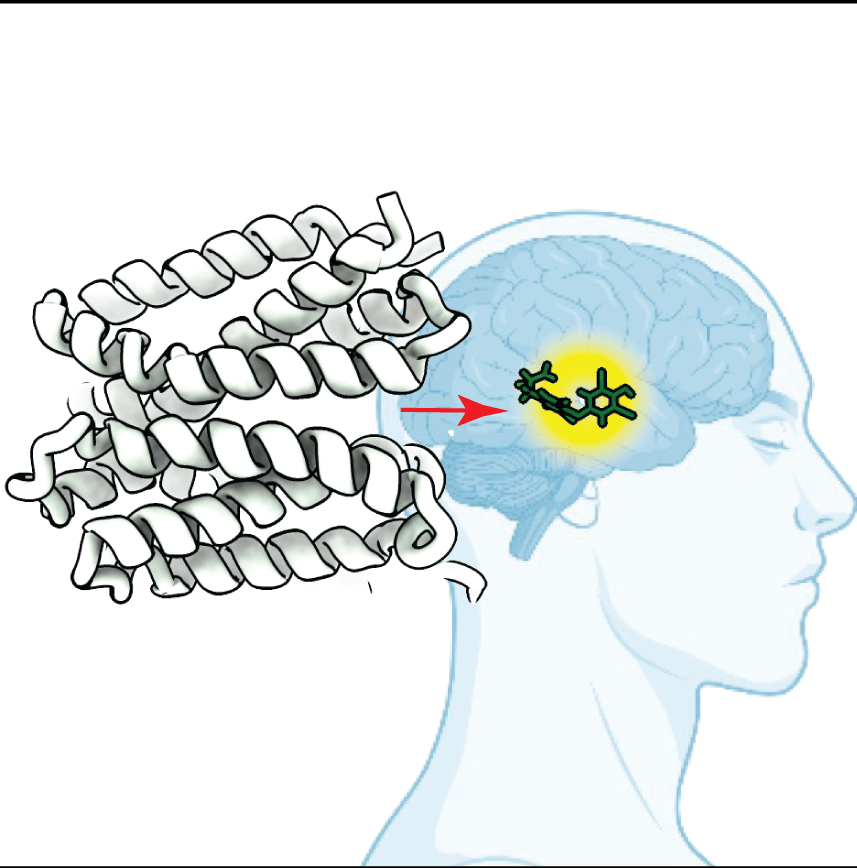
How thyroid hormones are transported into target cells
An international collaboration between Human Technopole and Erasmus Medical Centre researchers sheds light on the molecular mechanisms underlying the transport of thyroid hormones in human cells by monocarboxylate transporters (MCTs). The results of the research are published in Nature Communications.
-
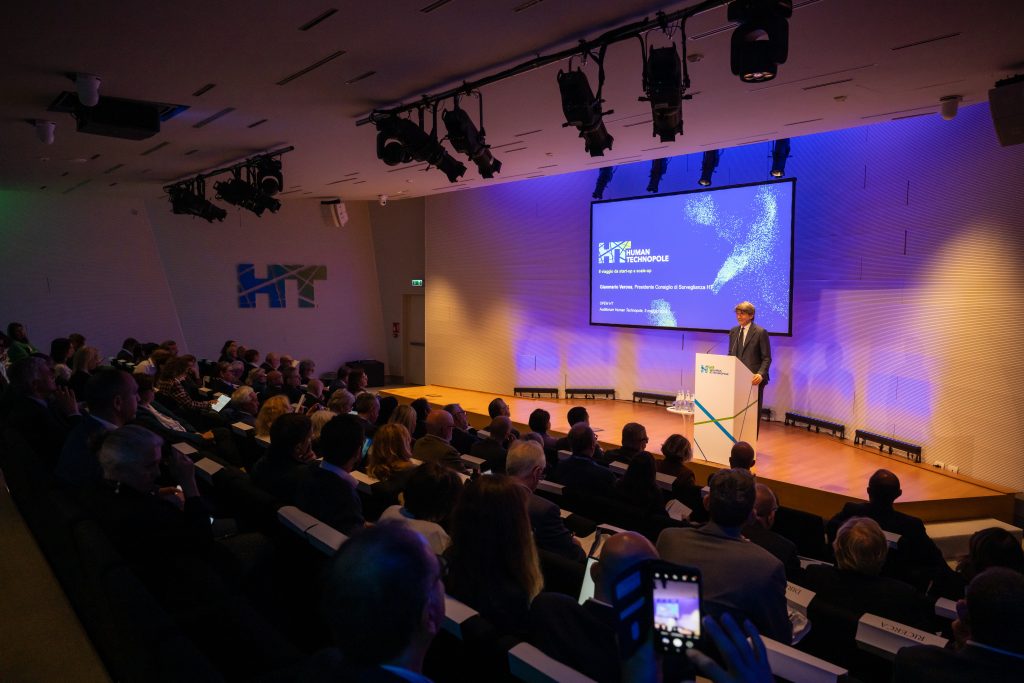
Cancer, insomnia, ancient DNA: over 100 projects from Italian scientists at HT
Human Technopole has presented 102 research projects that were the first to benefit from the cutting-edge equipment of the National Facilities — the advanced technologies that the Institute makes available to external researchers from across Italy. The majority of studies focus on cancer and neurodegenerative diseases, accounting for 50% of the selected projects. The announcement was made this morning in Milan during “Open HT – The Open Day on Life Sciences”, an event designed to showcase Human Technopole’s achievements and outline future goals.
-

10 Fully Funded PhD Scholarships in Systems Medicine through SEMM
Human Technopole is offering up to 10 fully funded PhD scholarships through the SEMM PhD Program in Systems Medicine. These scholarships are open to talented and motivated graduates—both from Italy and abroad – interested in pursuing doctoral research.