Future Trends in Translational Medicine

Human Technopole’s Centre for Innovation and Technology Transfer (CITT) and Nature Italy are organizing – on 26 and 27 October 2023 – a conference entitled “Future Trends in Translational Medicine”, aimed at investigating the new frontiers of research in the life sciences.
The event will be attended by leading figures from science and industry and is aimed at stimulating debate on the social impact of innovation and how society’s needs can help guide research towards these new frontiers. The ultimate goal is to explore trends in research investment to provide insights for policy makers and potential industrial partners.
The initiative is dedicated primarily to an audience of researchers in the early stages of their careers, offering an opportunity to reflect on ways to further enhance their research, as well as a discussion with representatives from academia, industry, finance, institutions, and civil society on the research ahead.
Take a look at the event website for detailed information and to submit your registration by 10 October 2023: Future Trends in Translational Medicine (nature.com)
Check out the event programme.
Take a look at the special issue produced with Nature: The translational gap: bridging basic research, clinical practices and society
Afterward, the first edition of the Life Science TTO Network Contest – “Pay attention to the value of your research: the top 5 missed opportunities” – will take place.
Share:




You could also like:
-

HT National Facilities: One Year On, New Call Open
On 10 June, Human Technopole marks the one-year anniversary of the official opening of its National Facilities, a key milestone in our mission to support excellence in life sciences across Italy. Celebrating this important date, we are pleased to announce that the new Call for Access to the National Facilities is now open. Researchers can submit their proposals until 30 September 2025.
-

10 Fully Funded PhD Scholarships in Systems Medicine through SEMM
Human Technopole is offering up to 10 fully funded PhD scholarships through the SEMM PhD Program in Systems Medicine. These scholarships are open to talented and motivated graduates—both from Italy and abroad – interested in pursuing doctoral research.
-

Human Technopole Commitment to Gender Equality
Human Technopole is proud to announce the launch of its new Gender Equality Plan (GEP) for 2025-2027, a strategic initiative designed to further integrate gender equality across all aspects of the Institute, building upon the successful outcomes of the previous GEP (2022-2024). HT has also achieved the UNI/PdR 125:2022 certification, which recognizes organizations that promote gender equality and foster inclusive workplaces.
-

2 fully funded PhD fellowships at HT through SISSA
Human Technopole is offering 2 fully funded 4-year PhD fellowships to young scientists from the national and international community who wish to undertake a doctoral degree on a project focused on Computational Biology.
-
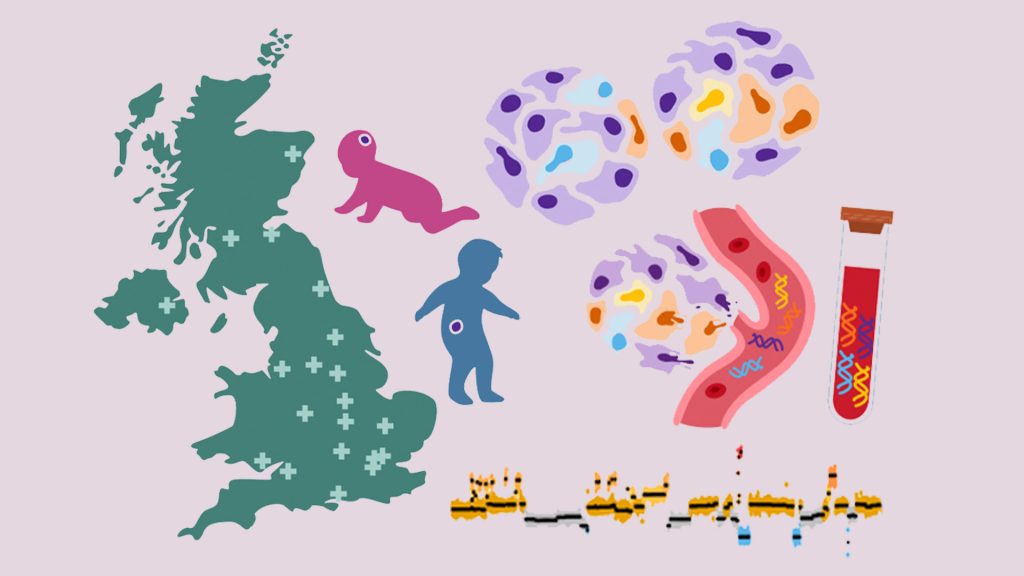
Childhood Cancer: Free DNA in Blood Reveals Therapy Resistance
An international study coordinated by Milan’s Human Technopole, the Institute of Cancer Research (ICR) in London, and the Royal Marsden Hospital in London has shown that certain DNA fragments found in the blood of paediatric cancer patients can be used as “biomarkers” to obtain information on the characteristics of the disease and its ability to resist therapies. Analysing these fragments could represent an effective alternative to tumour tissue biopsy, a practice that is particularly difficult in children.