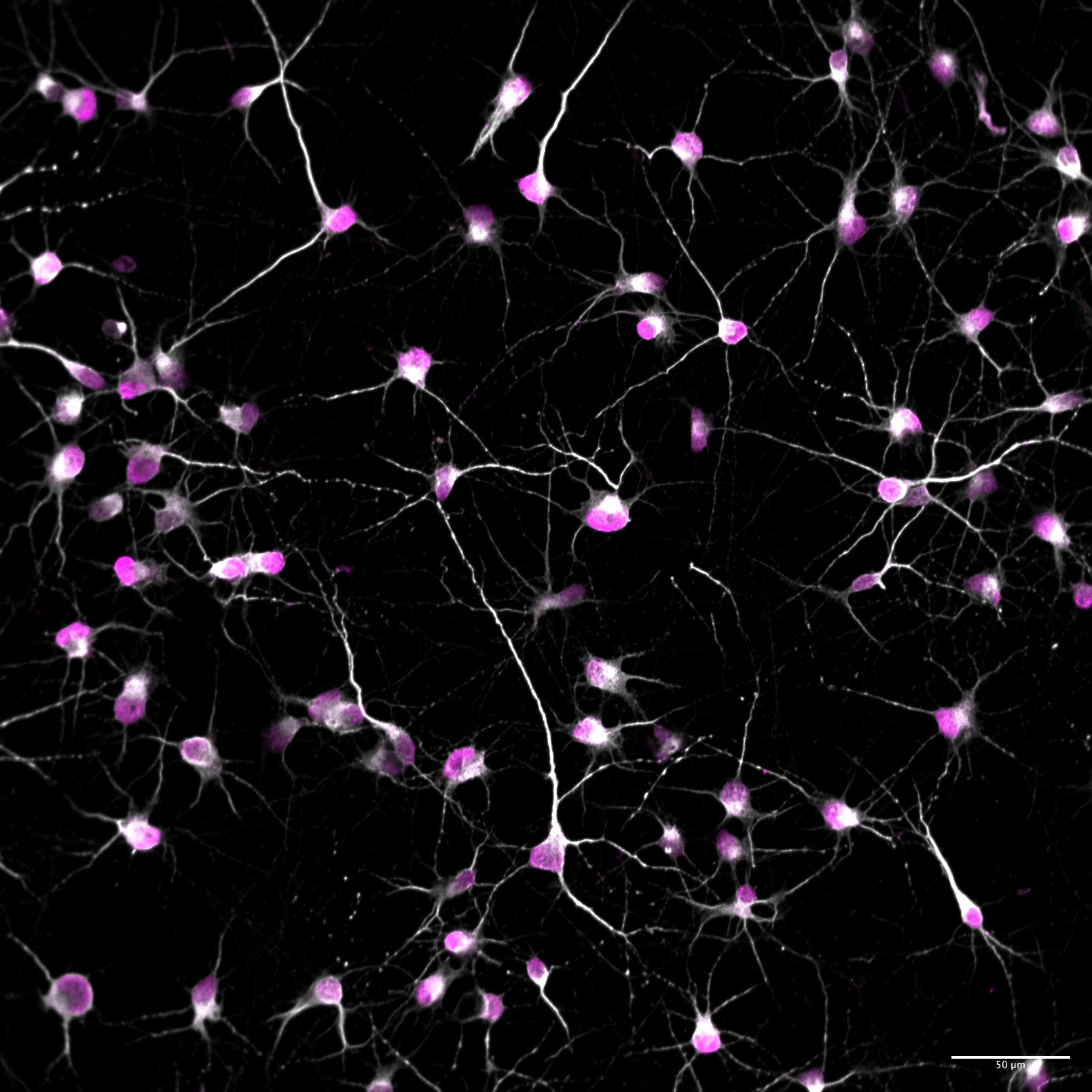
FIS funds Harschnitz’s research on Herpes Simplex Virus latency
Oliver Harschnitz has been awarded a FIS Starting Grant for his proposal “Dissecting HSV-1 Latency and Reactivation using Trigeminal Organoids,” receiving funding of 1.3 million euros. The project, starting in March 2025, will run for three years.
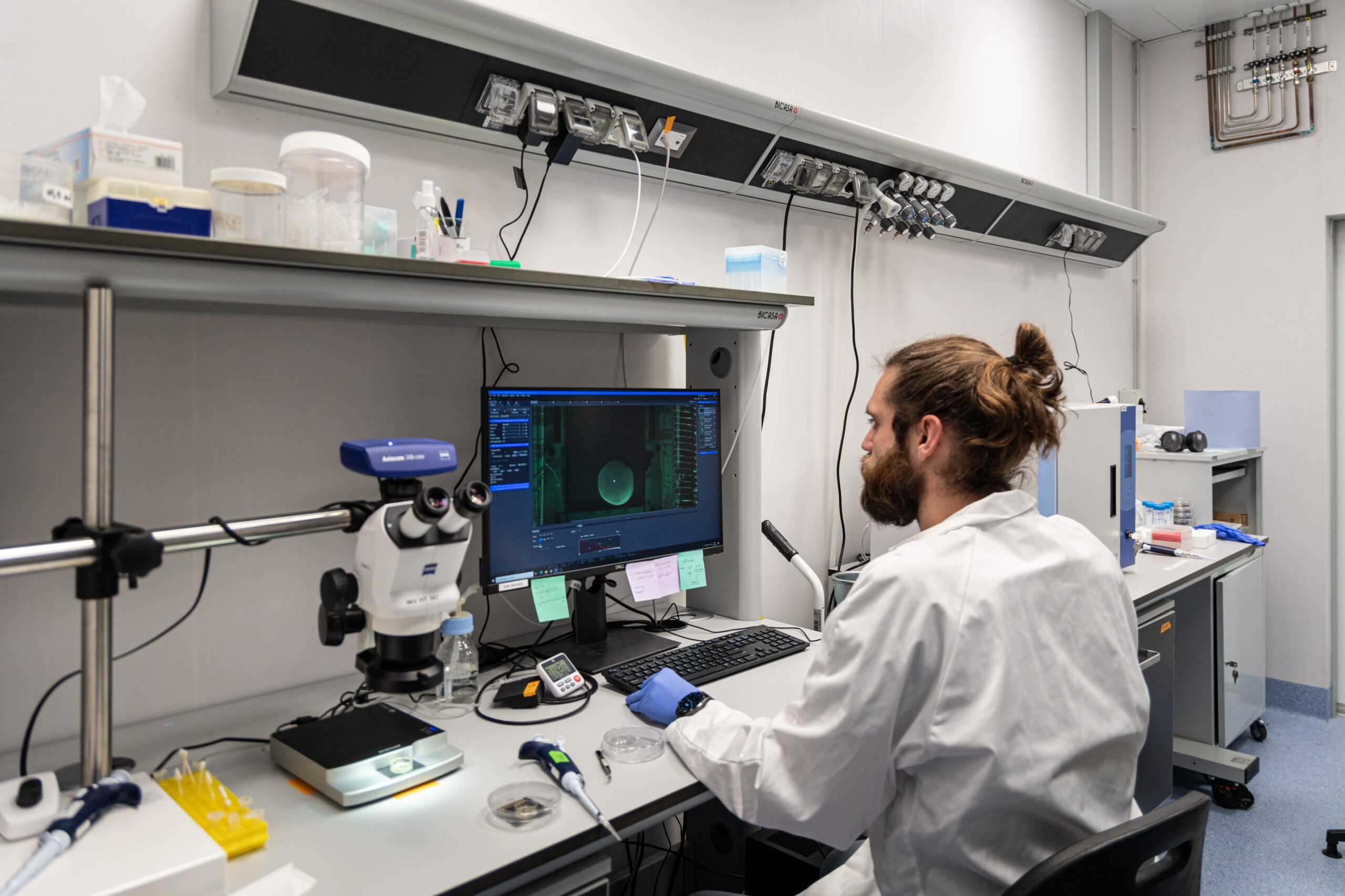
National Facilities: A Milestone for 2024 and Exciting Plans for 2025
Following the launch of the first pilot call for access in June 2024, researchers across Italy enthusiastically responded, submitting over 120 applications to utilize the Human Technopole’s cutting-edge facilities for their innovative research projects.

Public Notice for HT’s list of lawyers online
The public notice for the creation of a list of lawyers, from which legal representation assignments may be drawn in the interest of the Human Technopole Foundation, is now online.
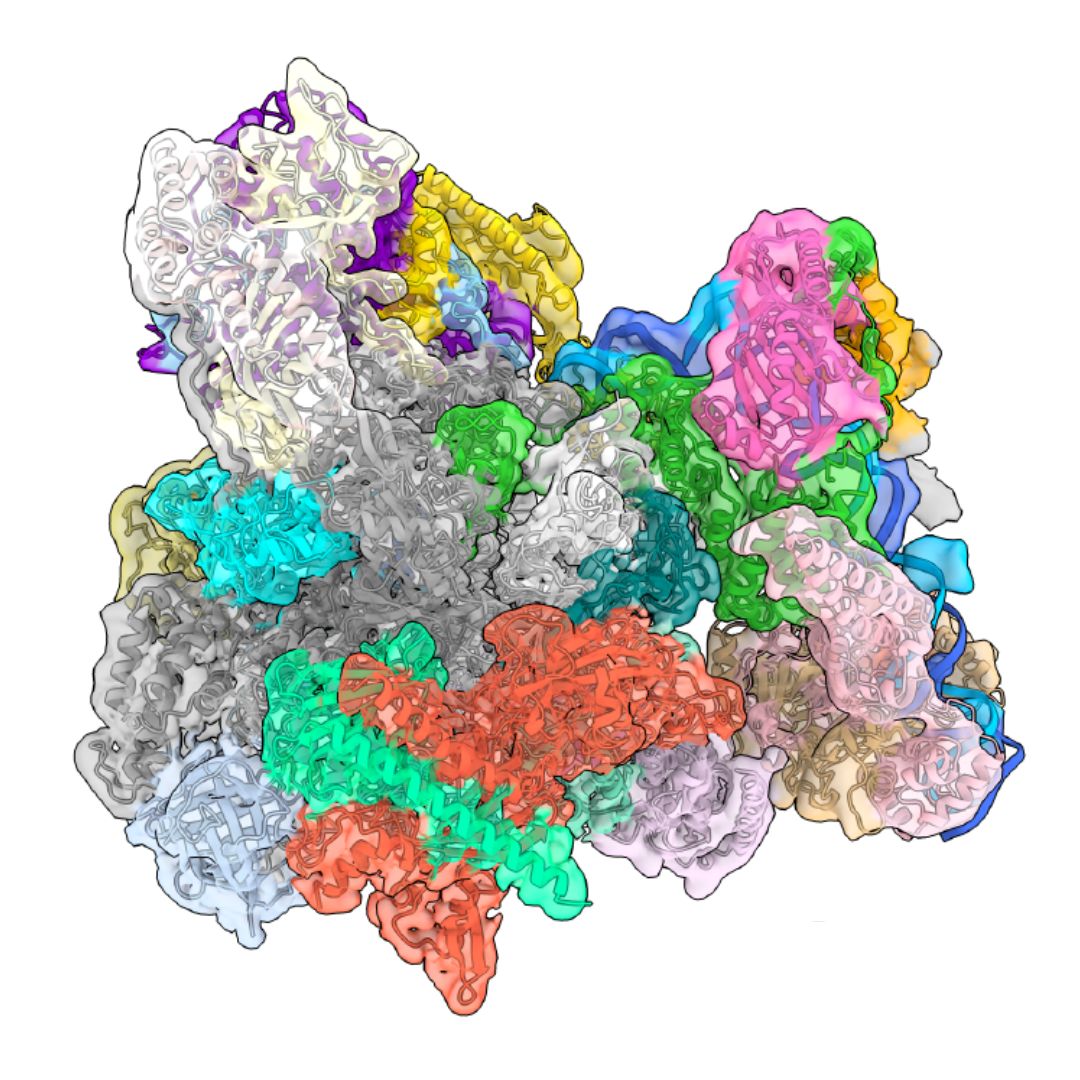
How SNAPc recruits human RNA polymerases at snRNA genes
Using advanced cryo-electron microscopy and cross-linking mass spectrometry, HT researchers provide unprecedented insight into how SNAPc works as a “dual recruiter” for RNA Polymerase II and III. The findings are published in Nature Communications.

Italy at the centre of the Genome of Europe project
The Human Technopole, ELIXIR Italia, the national node of the European life sciences research infrastructure coordinated by the National Research Council (CNR), and the Centro Cardiologico Monzino, as the Italian coordinating centre, have been selected as the Italian partners of Genome of Europe (GoE), the largest EU-funded genomic project, whose ultimate goal is to make […]
 Previous page