
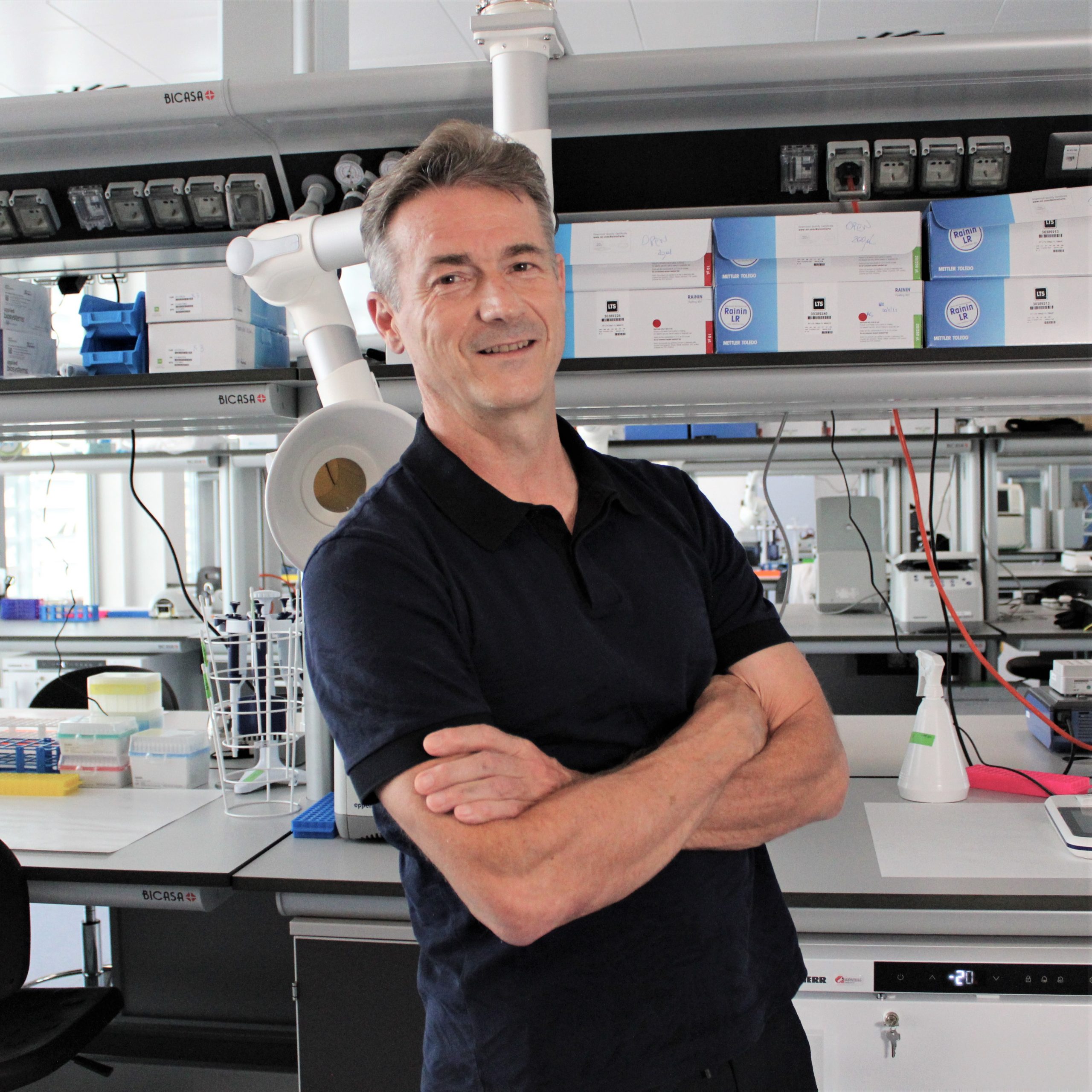
Piero Carninci
- Head of Genomics Research Centre – Functional Genomics, Genomics
- Research Group Leader, Carninci Group
Piero Carninci è un genetista, Head del Centro di Genomica (programma di genomica funzionale) e Team Leader del Laboratory for Transcriptome Technology del centro RIKEN per le scienze mediche integrative di Yokohama (Giappone). Piero è responsabile della creazione e dello sviluppo di svariate nuove tecnologie per il sequenziamento e l’analisi del DNA e del RNA. Ha partecipato e guidato numerose iniziative nazionali ed internazionali su larga scala, quali FANTOM, ENCODE e lo Human Cell Atlas. Da oltre 20 anni in Giappone, dalla fine del 2019 ha messo la sua pluriannale esperienza al servizio del Centro di Genomica permettendo lo sviluppo e l’avviamento del Centro.
Contatti
Segui


Pubblicazioni
-
07/2026 - Nature Methods
SpatioTemporal Omics Consortium: a global effort for biological discovery across species, space and time
In this Comment we introduce the SpatioTemporal Omics Consortium (STOC), a global, open network collaborating to integrate spatial and temporal omics across species, development, disease and evolution. The pace of innovation in spatial technologies has been extraordinary, rapidly transforming our ability to study biological systems within their native tissue environments. Throughout the history of biology, […]
-
06/2026 - BioRxiv
Genomic codes governing enhancer RNA fate
Long-read sequencing has transformed transcriptome profiling, yet capturing full-length, non-polyadenylated transcripts like enhancer RNAs (eRNAs) remains challenging. Here, we introduce CFC-seq, combining cap-trapping and in vitro poly(A)-tailing to sequence poly(A) and non-poly(A) RNAs with precise transcription start site. Paired with our assembler, SALA, we identified 39,425 novel transcriptional units, including ∼24,000 eRNAs. Our data reveal […]
-
02/2024 - Nature Communications
Decryption of sequence, structure, and functional features of SINE repeat elements in SINEUP non-coding RNA-mediated post-transcriptional gene regulation
RNA structure folding largely influences RNA regulation by providing flexibility and functional diversity. In silico and in vitro analyses are limited in their ability to capture the intricate relationships between dynamic RNA structure and RNA functional diversity present in the cell. Here, we investigate sequence, structure and functional features of mouse and human SINE-transcribed retrotransposons […]
-
10/2023 - Nature
The status of the human gene catalogue
Scientists have been trying to identify every gene in the human genome since the initial draft was published in 2001. In the years since, much progress has been made in identifying protein-coding genes, currently estimated to number fewer than 20,000, with an ever-expanding number of distinct protein-coding isoforms. Here we review the status of the […]
-
07/2022 - Cell
Recombination of repeat elements generates somatic complexity in human genomes
Non-allelic recombination between homologous repetitive elements contributes to evolution and human genetic disorders. Here, we combine short- and long-DNA read sequencing of repeat elements with a new bioinformatics pipeline to show that somatic recombination of Alu and L1 elements is widespread in the human genome. Our analysis uncovers tissue-specific non-allelic homologous recombination hallmarks; moreover, we […]
 Previous page
